
Spiel und Ordnung

Play and Order

Aïcha Abbadi

CW 18-20

Play and Order


You told me that you make hats.
Peaked caps.

And how long have you been doing this?
3 years.

Did you once have longer hair?
Yes.

And since when are they not as long anymore?
Since 3 years. (laughs.)

Aïcha Abbadi in dialogue with Hatim Alyafi

While the caps were not the reason behind Hatim’s separation from his hair, the decision
was certainly facilitated by them. They had over the years become a permanent but
transformative headdress, something to play with to alter outward impressions.
Something that immediately catches the eye, yet unfortunately doesn’t cover the ears in cold weather, the reason why
even Hatim swaps them for knitted hats from time to time.

What is the quality that makes a piece of clothing a cherished plaything
and when is playtime over? As Franceska goes through the pile of clothes selected for loaning
at the Dresserie, she feels an instant attraction to more than one piece.
A yellow dotted dress with a light blue soft knit jacket.
With antcipation, she envisions them as complete looks which she could see herself wearing every day,
combined with hand-made accessories and perhaps some rubber boots?
Playful materiality and a sense of cheerfulness are important,
an elegant functionality and overall positivity.
Even more than the visual impression alone it is the imagination that leads to the play with
clothes, what emanates from individual pieces.
In the storage room as well there are different categories, with some pieces allowed to leave the space with committed STREETWARE
wearers, while other pieces are expected to return. Still others are prepared for further processing.
One of these piles is made up primarily of dark grey, blue and black pieces,
much cotton and polyester, coats, trousers and cut-up thights,
but also a bikini top. There are pieces in many sizes, but apparently they do not qualify
anymore for play.
The processes of STREETWARE are a continuous alternation between play and order,
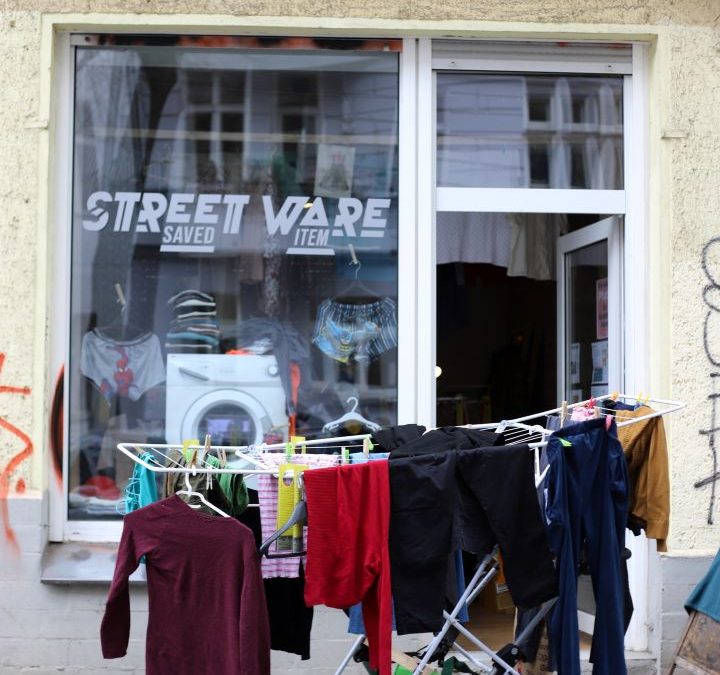
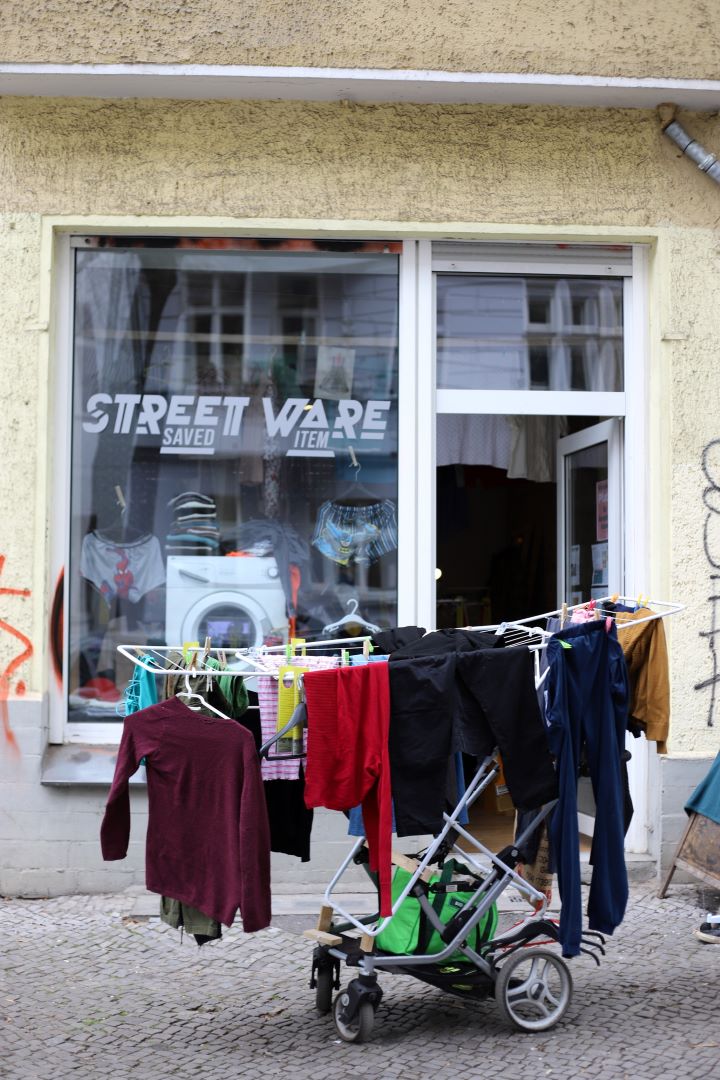
enthusiast discovery and careful selection and planning. As the laundry racks
the walk through the streets becomes a performance with intrigued public.
Before the big staging however, they remain in orderly rows,
as the clothes themselves, ironed and folded, waiting for
their grand entrance.

Auszüge der begleitenden Forschung: STREETWARE im erweiterten Mode-Kontext

Selections from the embedded research: STREETWARE in the expanded fashion context

Aïcha Abbadi

Selections from the embedded research: STREETWARE in the expanded fashion context

The garments and interactions of STREETWARE contain a wide spectrum of complex connections, personal thoughts, feelings and memories. Aïcha Abbadi  accompanies and documents these processes, exploring multi-layered meanings of textile and fashion experiences, from personal perception to global, historically established structures.What is being overlooked? What do we remember? What do the garments themselves and our interactions with them tell us about commonalities and differences, convictions and contradictions?

Fashionable rags are an exchange between past and future, here and there, ephemerality and timelessness. They are a response and a questioning of the complexity of our collective social fabric, juxtaposing arbitrariness, personal philosophy, structural inevitabilities and moral dilemmas.

For the duration of this project, selections from the research will be presented here: personal impressions of the different participants, observations on the found pieces and interactions, their relevance and position in the wider, expanded fashion context.

Quotation by Jan Markowsky

Some people often want to wear only black. But I was always rather a friend of bright clothes.
[…] Once I got a white, still shrink-wrapped shirt from the donations clothing store - because I always stay clean - not everyone got that.
[...] But then I once accidentally spilled pea soup all over my light-colored clothes.' 

Wieviel Kleidung braucht der Mensch?

Wieviel Kleidung braucht der Mensch?

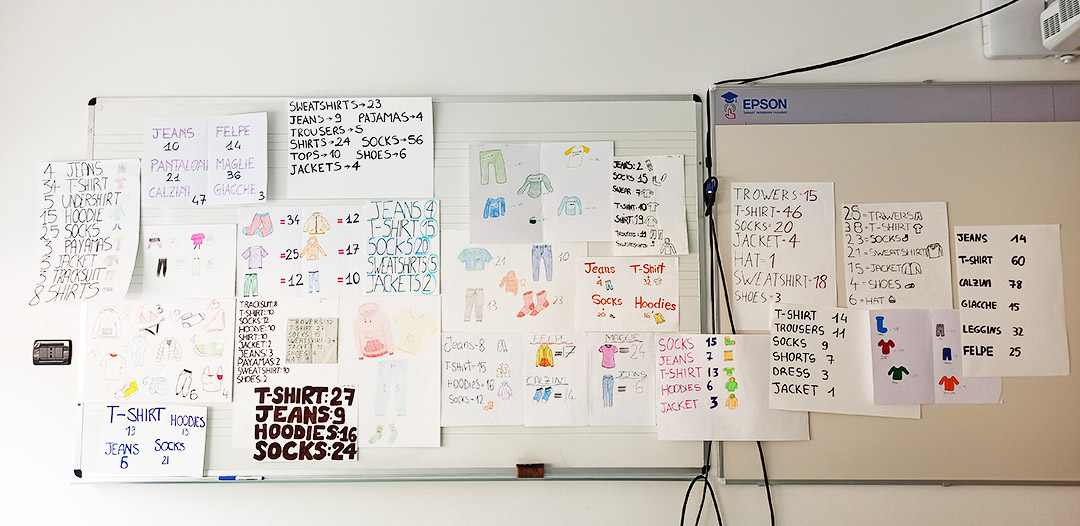
SchülerInnen der Integrierten Gesamtschule „Valle di Ledro“ in Südtirol präsentieren die Ergenisse ihrer Recherchen im eigenen Kleiderschrank ©Stefania Pace

 Wieviel Kleidung braucht der Mensch?

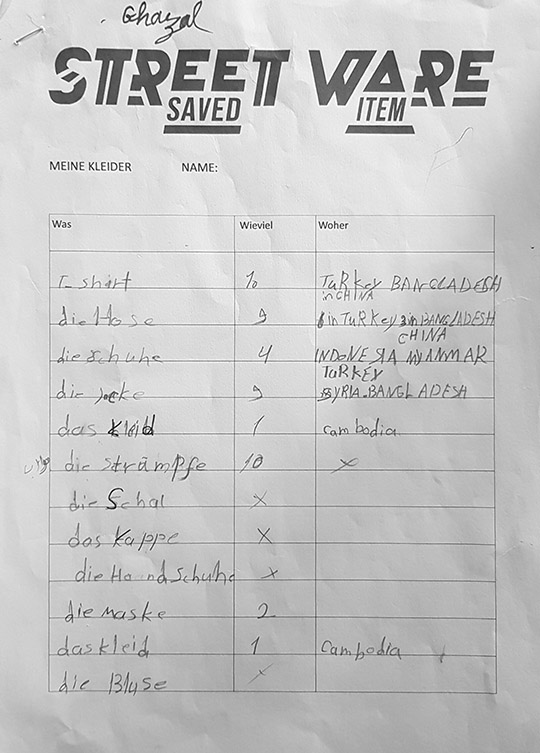
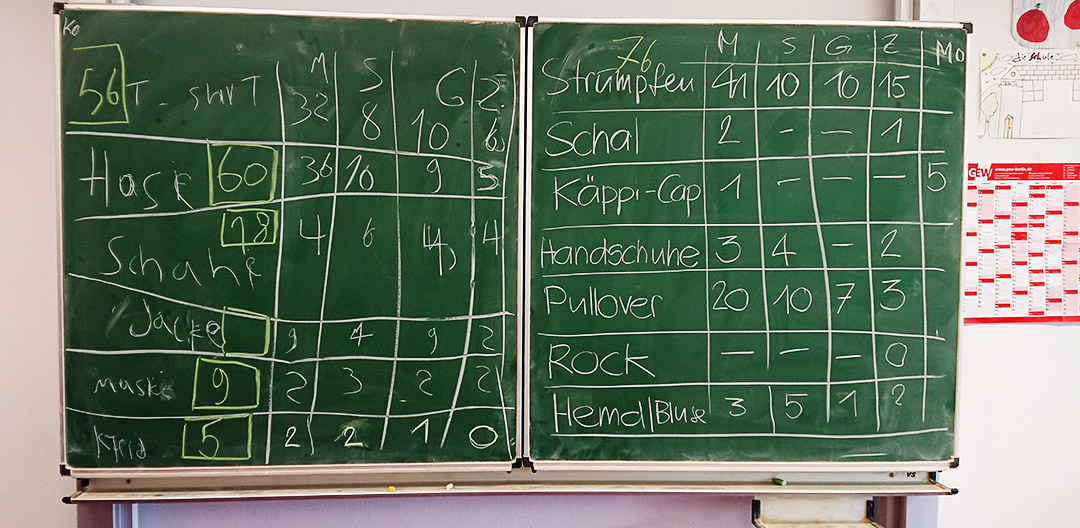
In Deutschand besitzt ein Mensch durchschnittlich 95 Kleidungsstücke. Die Zahl resultiert aus einer Online-Befragung von Greenpeace aus dem Jahr 2015, an der sich mehr als 1000 Personen beteiligten. Es dürften nicht weniger geworden sein. Im Rahmen einer Schulprojektwoche von STREETWARE im vergangenen Jahr
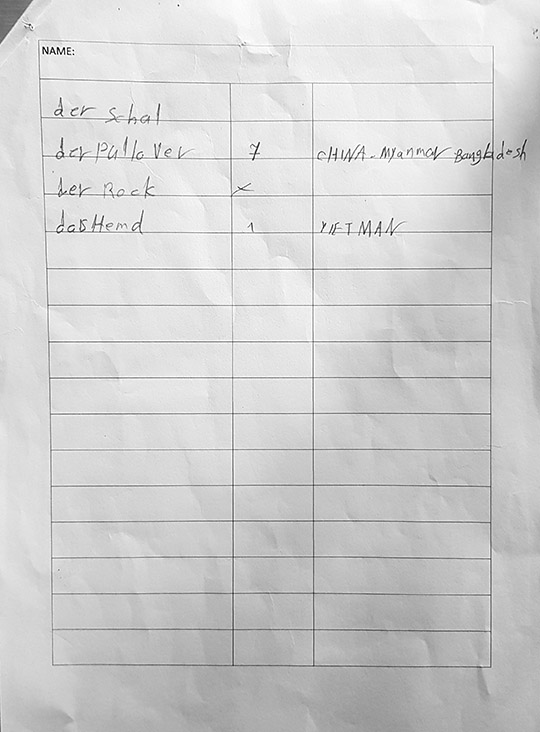
zählten Schüler:innen der Willkommensklasse I der Otto-Hahn-Schule Neukölln ihre Kleidungsstücke. Die Untersuchung brachte erstaunliches aus dem Schrankinneren ans Tageslicht: Nicht nur die Anzahl der Kleidungsstücke überraschte zuweilen, sondern auch die Herstellungsländer, die keine Schlüsse über den Standort der Garderobe zuließen: Ginge es nach den Etiketten müssten die Kleiderschränke und Kommoden in Asien stehen.

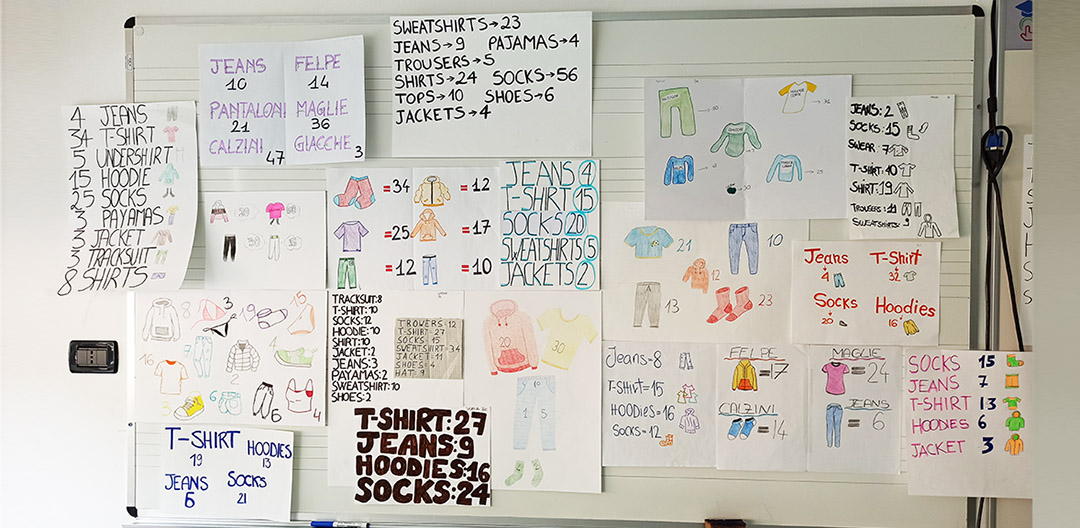
Im Vorfeld unseres digitalen Workshops mit Schüler:innen der integrierten Gesamtschule „Valle di Ledro“, Sekundarstufe l „G. Garibaldi“ und der Kunst-Dozentin Stefania Pace baten wir auch sie, ihre Kleidungsstücke zu zählen. Die Ergebnisse stellten die Schüler:innen in Zeichnungen dar.
Auf der linken Seite Ergebnisse der Kleiderzählung der italienischen Schule, daneben der Berliner Otto-Hahn-Schule.

Person für freiwilliges kulturelles Jahr gesucht

Person für freiwilliges kulturelles Jahr gesucht

Wir wachsen weiter…

‚und seither und einem Team und suchen eine Person für ein freiwilliges kulturelles Jahr (Mindestlaufzeit sechs Monate) im Bereich Kunst .


challenges fast fashion lädt dich/ Sie dazu ein, dein/ Ihr freiwilliges kulturelles Jahr (bzw. sechs Monate) in unserem interdisziplinären Kunstprojekt zu realisieren. Dafür suchen wir zum schnellstmöglichen Zeitpunkt eine flexible, zuverlässige, unkonventionelle, belastbare und phantasievolle Person (divers / weiblich / männlich) ab 27 Jahren. Du liebst das Gestalten und Kreieren und hast Erfahrungen im Nähen und Schneidern, gerne auch der Bekleidungstechnik.

‚STREETWARE saved item‘ ist ein partizipatives Kunstprojekt zum Thema Nachhaltigkeit und Wiederverwertung, kurz gesagt, der Circular Economy. Am Beispiel des Berliner Bezirks Neukölln behandelt das Projekt globale sozial-ökologische, ökonomische und ästhetische Fragestellungen.

Unser Material sind im öffentlichen Raum entsorgte Textilien. In den Berliner Straßen säumen Pullover, T-Shirts und Hosen Rinnsteine und Hauseingänge. ‚STREETWARE saved item‘ untersucht diese Kultur der „abgestreiften Kleidung” auf ihre gesellschaftliche Bedeutung hin: Was sagt sie aus über unseren Konsum, über unsere Produktionsweisen, über unsere Identität? Wie kann Weggeworfenes in Wertvolles transformiert werden und nutzbringend sein für Menschen in schwierigen Lebenssituationen, zum Beispiel Menschen ohne Wohnung?
‚STREETWARE saved item‘ lädt alle Repräsentant:innen der Gesellschaft zur Mitwirkung ein. Wir setzen unterschiedliche künstlerische Strategien ein: Als Lumpensammler:innen ziehen wir Corona-konform mit fahrbaren Wäscheständern durch die Stadt und heben Textilien auf. Wir planen Workshops auf der Bleichwiese und großangelegte Performances und Installationen. Wir veranstalten einen Kongress auf der Kleiderhalde und kommen mit Passant:innen ins Gespräch. Das gefundene Material dient uns als Ausgangspunkt für Neuschöpfungen aller Art. Wir tauschen uns mit Menschen ohne Obdach über textile Architekturen aus. Unsere Basis in Neukölln ist unser „Waschsalon”, wo wir produzieren, experimentieren und uns vernetzen. Wir spielen mit des Kaisers alter und neuer Kleider: Den Projektabschluss bildet ein fulminanter Lumpenball.

challenges fast fashionwurde 2020 von der bildenden Künstlerin barbara caveng initiiert  und  gemeinsam mit der Kostümbildnerin Alice Fassina und einem Team entwickelt. ‚STREETWARE saved item‘ steht unter der Trägerschaft von KUNSTASYL e.V. [kunstasyl.net]. STREETWARE  wird gefördert von der Hans Sauer Stiftung, dem Fonds Soziokultur Bonn, der das Projekt auch für den Innovationspreis 2021 nominiert hat, sowie dem Creative Matterz Fund. Miele & Cie. KG, sowie Almawin, nachhaltige Waschnmittel, sind unsere Kooperationspartner in Sachen Waschen.

Wir kooperieren mit Künstler*innen, Wissenschaftler*innen, Universitäten, Initiativen und Vereinen – lokal, national und international.

Aktuell ist unser Team auf der Suche nach einer Kunst- und kulturell interessierten Gestalter:in mit  Affinität zu den Medien. Neben deinen kreativen Kompetenzen gehören auch Recherche und Kommunikation zu deinen/ Ihren Stärken. Du/Sie wirst Teil unseres Teams und bist herzlich eingeladen, eigene kreative Ideen für deine/Ihre Arbeitsschwerpunkte, gerne unter Einbeziehung deiner/ Ihrer persönlichen und professionellen Interessen und Qualitäten, mit einzubringen.

Dein Arbeitsplatz ist der öffentliche Raum und unser Waschsalon bei Renata.


Rahmenbedingungen

  • Dauer: ab sofort,  mindestens sechs Monate
  • Arbeitszeit: 20,5 Stunden oder 39 Stunden pro Woche 
  • Monatliches “Taschengeld” in Höhe von 240 Euro inkl. Sozialversicherung
  • ab 27 Jahren
  • Dieses Angebot kann insbesondere interessant sein für ALG II-Bezieher*innen (“Taschengeld” wird nicht angerechnet), Rentner*innen und Selbstständige (Sozialversicherungskosten werden übernommen)
  • Wir möchten unser Team divers gestalten und laden insbesondere BIPoC herzlich ein, sich zu bewerben.

Wir freuen uns auf aussagekräftige Bewerbungen inklusive Lebenslauf und Anschreiben an waschsalon@streetware-saved-item.net  bis 31.7.2021.

barbara caveng | Alice Fassina 

Luxury Society

Luxury Society


LUXURY SOCIETY

Lorenzo Francesconi


Luxury Society:
That society that produces Culture, Wellness, Wealth, Progress, Profit …
That society where one has the privilege of being bored, the good fortune of growing old.
That society where a mischievous glance is considered a nuisance.
Poor Society:
That society that is exploited, culture is lost in folklore, freedom is an utopia and wealth is in the hands of a corrupt few who sell off to the highest bidder.
That society where there is no running water, where tomorrow is uncertain.
That society where even rape is tolerated.

Luxury Society brings you to consciousness. To understand that space is just a sound; space/time is a distortion created by the decoding of signs.
Poor Society is enslaved by the Luxury Society. It has no time or opportunity for scientific/philosophical reflections, it feels hunger.

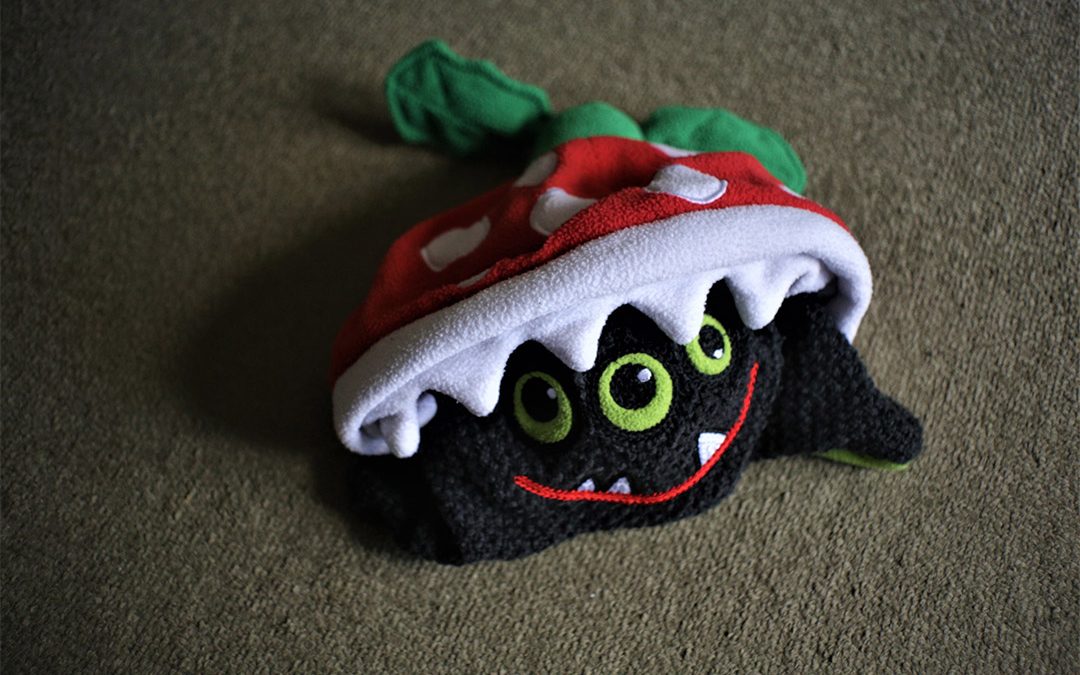
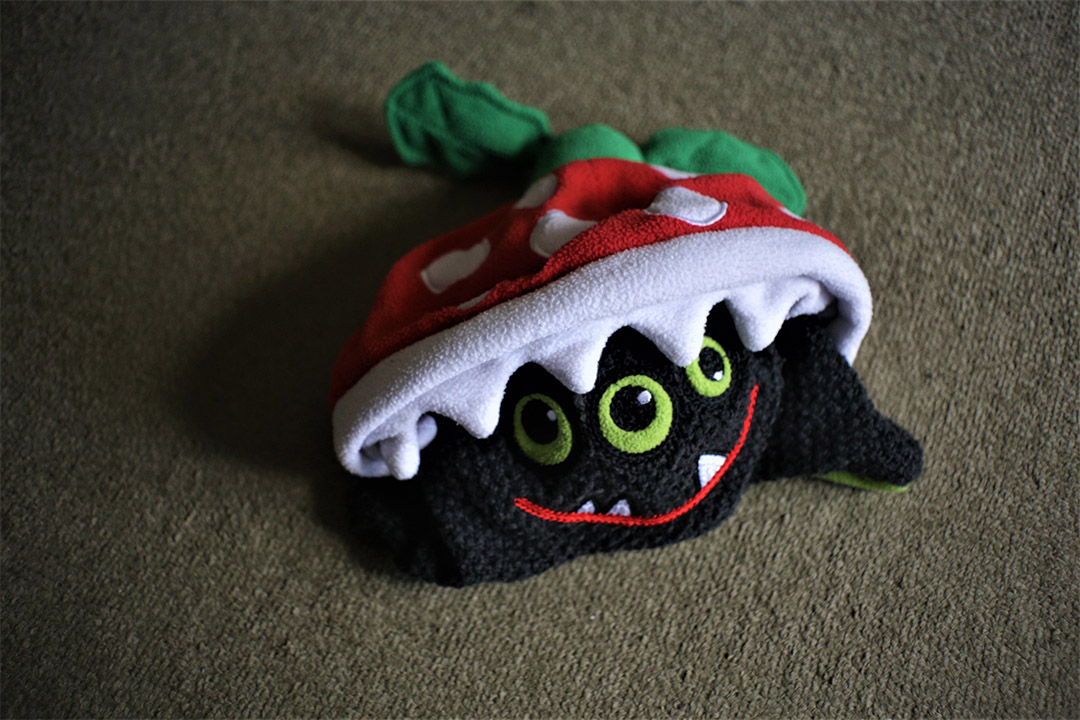
This is why I chose this photo, of a hat eating another, and I decided to summarize these concepts in this brief linguistic sign:

„Space and time do not exist. Hunger does.“

La Società di serie A:
Quella società che produce Cultura, Benessere, Ricchezza, Progresso, Profitto…
Quella società dove si ha il privilegio di annoiarsi, la fortuna di invecchiare.
Quella società dove un’occhiata maliziosa è considerata una molestia.
La società di serie B:
Quella società che viene sfruttata, la Cultura si perde nel folklore, la libertà è una chimera e la ricchezza è in mano a pochi corrotti che svendono al miglior offerente.
Quella società dove manca l’acqua corrente, dove il domani è incerto.
Quella società dove persino lo stupro è tollerato.

La società di serie A ti porta alla consapevolezza. A capire che lo spazio è solo un suono; lo spazio/tempo è una distorsione creata dalla decodifica di segni.
La società di serie B è schiavizzata dalla prima. Non ha tempo nè opportunità per riflessioni scientifico/filosofiche, ha fame.

Per questo ho scelto questa foto, di un cappello che ne mangia un altro, ed ho deciso di riassumere questi concetti in questo breve segno linguistico:

„Lo spazio ed il tempo non esistono. La fame sì.“

Original text in italian, english translation by the author 

'The first true storyteller is, and will continue to be, the teller of fairy tales. ... always the art of repeating stories, and this art is lost when the stories are no longer retained' Walter Benjamin

From 21 to 22 February, eight performers spent 24 hours digging through a textonic landscape of 45 m³ of old clothes from planetary dwellers.

Their own bodies were wrapped and deformed by new and old, used or even still labelled pieces, whose value was already decaying in the hours of the creation & production process under the hands of the sewers. The prospectors infiltrated dunes of down jackets, excavated pits and penetrated the penetrating the innermost of materiality. No safe footing was possible. From the pile of clothes, they gazed out on the discarded landscape of Anthropozaen.
What stories and thoughts did they uncover? What can be explored, read and told of the discarded clothing that is contemporary civilisational history.

On 27 February, we invited chroniclers and word-finders to write down their thoughts on the textonic landscape of the BHROX bauhaus reuse as poems, essays, novellas or notes. We publish the texts in loose series.
Lorenzo lorenzo had the technical night shift during our 24-hours-performance. He got insoired by two caps.

EN